
News News Official
Ghost of Yōtei's Jin Sakai return required over 60 reworked combat animations, Sucker Punch reveals
Bringing Jin Sakai into Ghost of Yōtei was far more complicated than transferring his character model from Ghost of Tsushima. In a November 4, 2026 development breakdown, Sucker Punch revealed that more than 60 combat animations had to be adapted, alongside his four sword stances, signature abilities and character-specific audio. The studio also brought back Daisuke Tsuji to voice the returning hero.
 By Maëlle Ghost of Yōtei
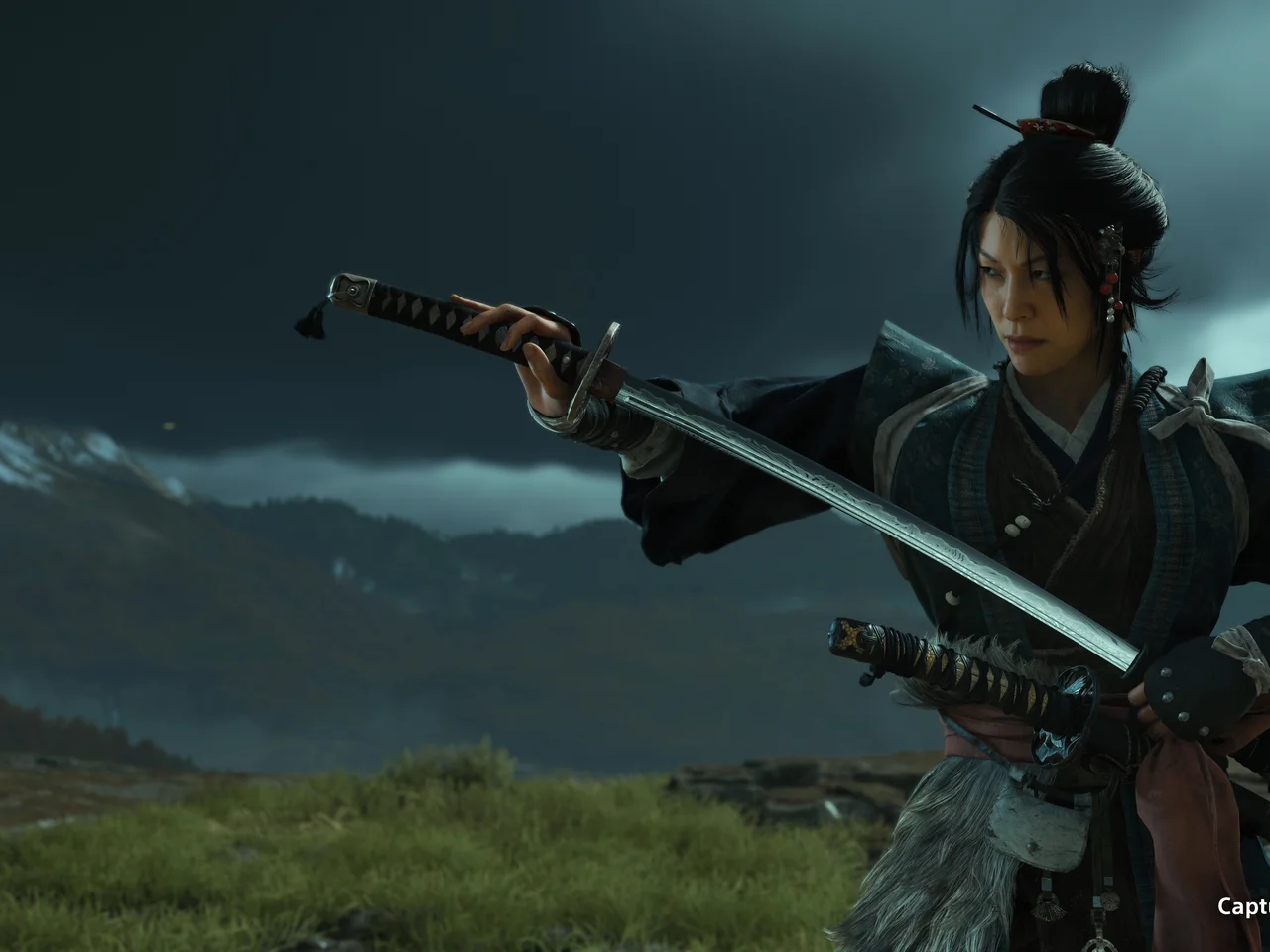
When Sucker Punch decided to bring Jin Sakai back, the simplest approach would have been to make him another playable character using existing Ghost of Yōtei animations.
The developers quickly decided that would not be enough.
A new PlayStation Blog feature published on November 4 offers an unusually detailed look at the work behind Jin's appearance in Most Wanted, the single-player roguelike survival mode included with Ghost of Yōtei Complete Edition.
The mode has already been available since the Complete Edition launched on October 1, 2026. The new article is a development retrospective, not an announcement of an upcoming DLC character.
Why a simple character conversion would not work
Most Wanted was designed to explore Ghost of Yōtei's combat systems through repeatable challenges, escalating bounties and different playable characters.
That class-based approach made Jin Sakai an appealing addition. His distinctive sword techniques and specialized equipment seemed well suited to a mode built around character mastery.
However, the combat systems had changed substantially since Ghost of Tsushima.
According to systems design lead Parker Hamilton, the team initially experimented with other characters before attempting an early playable version of Jin.
Those prototypes demonstrated that reproducing only part of his original moveset would not capture the experience players remembered.
The team ultimately committed to restoring all four katana stances, his signature sticky bomb and the distinctive rhythm of his swordplay.
That decision transformed a character addition into a multidisciplinary production challenge involving combat design, animation, character art and audio.
More than 60 attacks had to be adapted
The animation work was particularly demanding.
Sucker Punch transferred more than 60 of Jin's attack animations to the newer character rig. Many of those attacks also included individual finishing animations that required additional attention.
The movements had to be retouched and rebalanced to work with Ghost of Yōtei's combat rules.
One move proved especially problematic. The Piercing Strike associated with Jin's Stone Stance was initially so powerful that it overwhelmed encounters designed for the newer game.
The developers adjusted its behavior rather than abandoning the technique.
They also created bespoke strafing animations for each of Jin's stances to support the newer Focus Attack system.
The work extended beyond attacks. Idle animations and familiar gestures were restored to reinforce his identity.
One particularly subtle example is an animation in which a bird settles on Jin's hand. Originally a rarely seen idle sequence, it now appears in Most Wanted's character-selection interface.
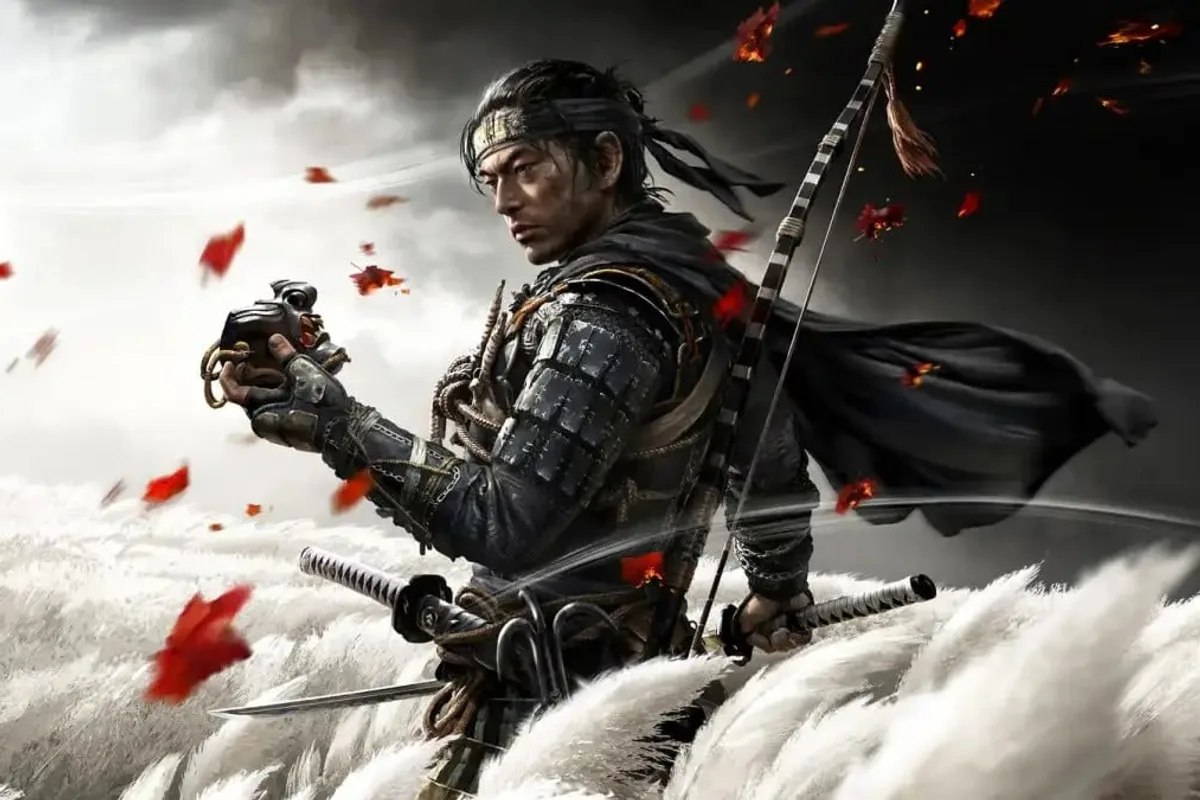
His original fighting style needed a new balance
One of Jin's defining combat characteristics in Ghost of Tsushima was his ability to interrupt enemy combinations with precisely timed defensive moves.
Ghost of Yōtei distinguishes between different parry outcomes, including Parry Deflect and Parry Interrupt.
To preserve the feel of Jin's original defensive abilities, Sucker Punch created the Rattling Parry perk.
It increases Stagger damage from successful parries, making interruptions more likely.
Other perks reward Perfect Parry timing or encourage players to follow Quickfire abilities with melee attacks.
These adjustments serve a specific purpose. Jin remains recognizable to returning players while operating within the rules of the newer combat system.
It also helps distinguish him from the other characters available in Most Wanted.
Rebuilding Jin's appearance for PS5
The character-art team faced a different challenge.
Jin was originally developed for Ghost of Tsushima, a PlayStation 4 production. Ghost of Yōtei was built for PlayStation 5, with more advanced rendering technology and greater visual detail.
Simply importing the old model would have made Jin appear inconsistent beside Atsu and the newer characters.
Fortunately, much of the original armor model created by artist Emre Ekmekci remained usable.
The team concentrated on updating the materials, including metal, cloth and leather, to match Ghost of Yōtei's rendering standards.
His face was more complicated.
Character artist Nate Ramsey explained that the original skin textures were used as a reference while details such as facial hair, lips, skin coloration and Jin's scar were refined.
New surface-normal details added definition without making him look like a different person.
The objective was to preserve the character's familiar appearance rather than redesign him.
Daisuke Tsuji returned to record new dialogue
Audio director Brad Meyer revealed that Sucker Punch brought Daisuke Tsuji back into the recording booth to reprise his performance as Jin.
The new recordings include dialogue associated with confrontations against the Yōtei Six.
The studio also managed to incorporate some additional Jin dialogue into the main game.
His sound effects required a separate reconstruction.
The systems used to associate movement audio with animations had changed significantly between Ghost of Tsushima and Ghost of Yōtei.
Sound designer Chris Walasek therefore rebuilt the character's movement sounds around the new system, using original recordings from Jin's Ghost armor as a foundation.
His musical theme received a new arrangement, including a lap steel guitar recording by Justin Johnson.
The team also revisited recognizable techniques such as Heavenly Slash, Dance of Wrath and Ghost Stance, using material originally created for Ghost of Tsushima.
Most Wanted is a separate combat experience
Jin's return should not be confused with a change to Ghost of Yōtei's main storyline.
Atsu remains the protagonist of the principal adventure, which takes place centuries after Ghost of Tsushima.
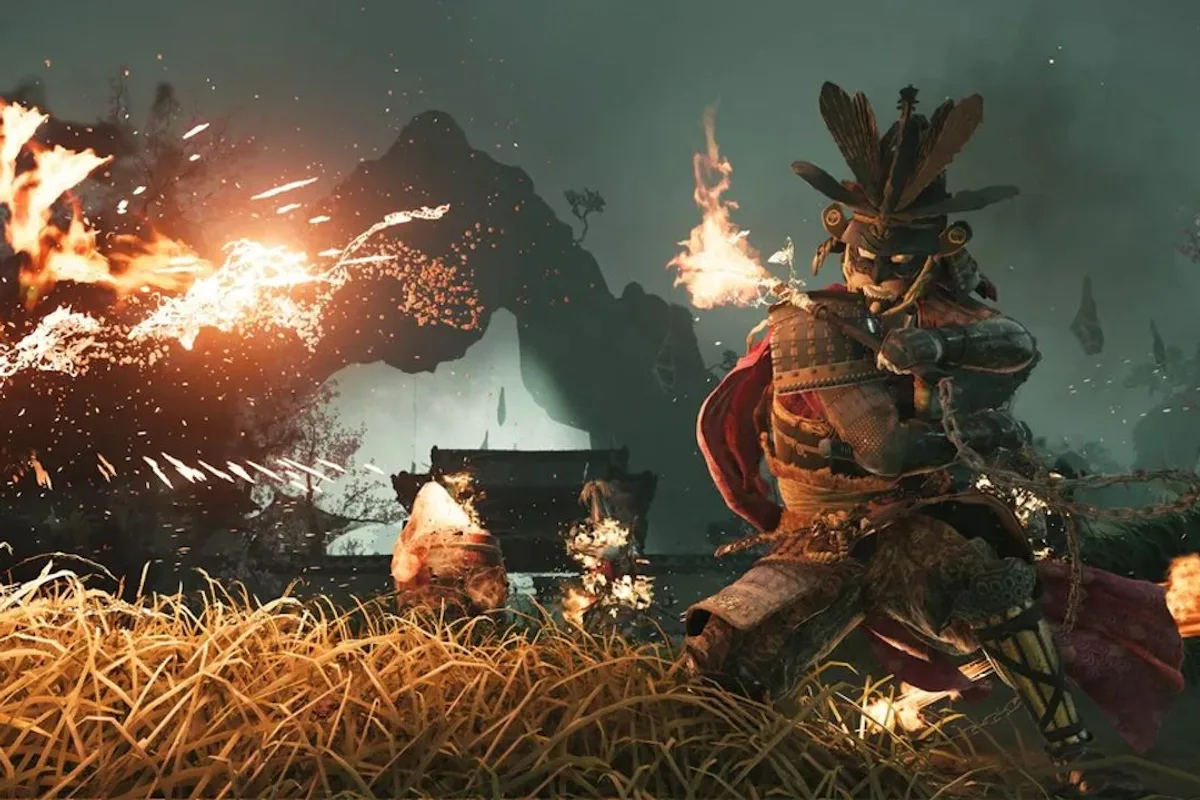
Most Wanted is a separate, repeatable combat mode based on increasingly difficult bounty challenges.
It is part of Ghost of Yōtei Complete Edition, alongside the Echoes of Sekigahara story expansion.
Sucker Punch states that the relevant content requires an internet connection, a PlayStation account and game patch 2.0 or later.
Jin is already playable. The November 4 article documents how the team brought him back rather than introducing a future release.
A revealing look at how the series has evolved
The most revealing part of Sucker Punch's explanation is not simply the animation count.
It is the extent to which the studio's technology and combat design have evolved between the two games.
Even a familiar protagonist required extensive work to fit into the newer systems without losing the characteristics that made him memorable.
By preserving his stances, specialized attacks, gestures and voice performance, Sucker Punch sought to create something more meaningful than a nostalgic appearance.
The result is an opportunity to revisit Jin's fighting style through Ghost of Yōtei's modern mechanics, demonstrating how much effort can be involved in making an established character feel authentic in a different game.