
News News Official
Halo Reportedly Canceled a Battle Royale and Extraction Shooter With Playable Brutes and the Flood
What if a Halo multiplayer game had allowed players to control a Banished Brute, survive spreading Flood contamination and temporarily cooperate with enemy squads against enormous bosses? New information published on October 18, 2026, describes precisely that possibility. According to anonymous sources cited by content creator HiddenXperia, Halo Studios developed and ultimately abandoned Project Ekur, a hybrid of battle royale and extraction shooter. Microsoft has not officially confirmed the reported details.
 By Maëlle Halo: Campaign Evolved
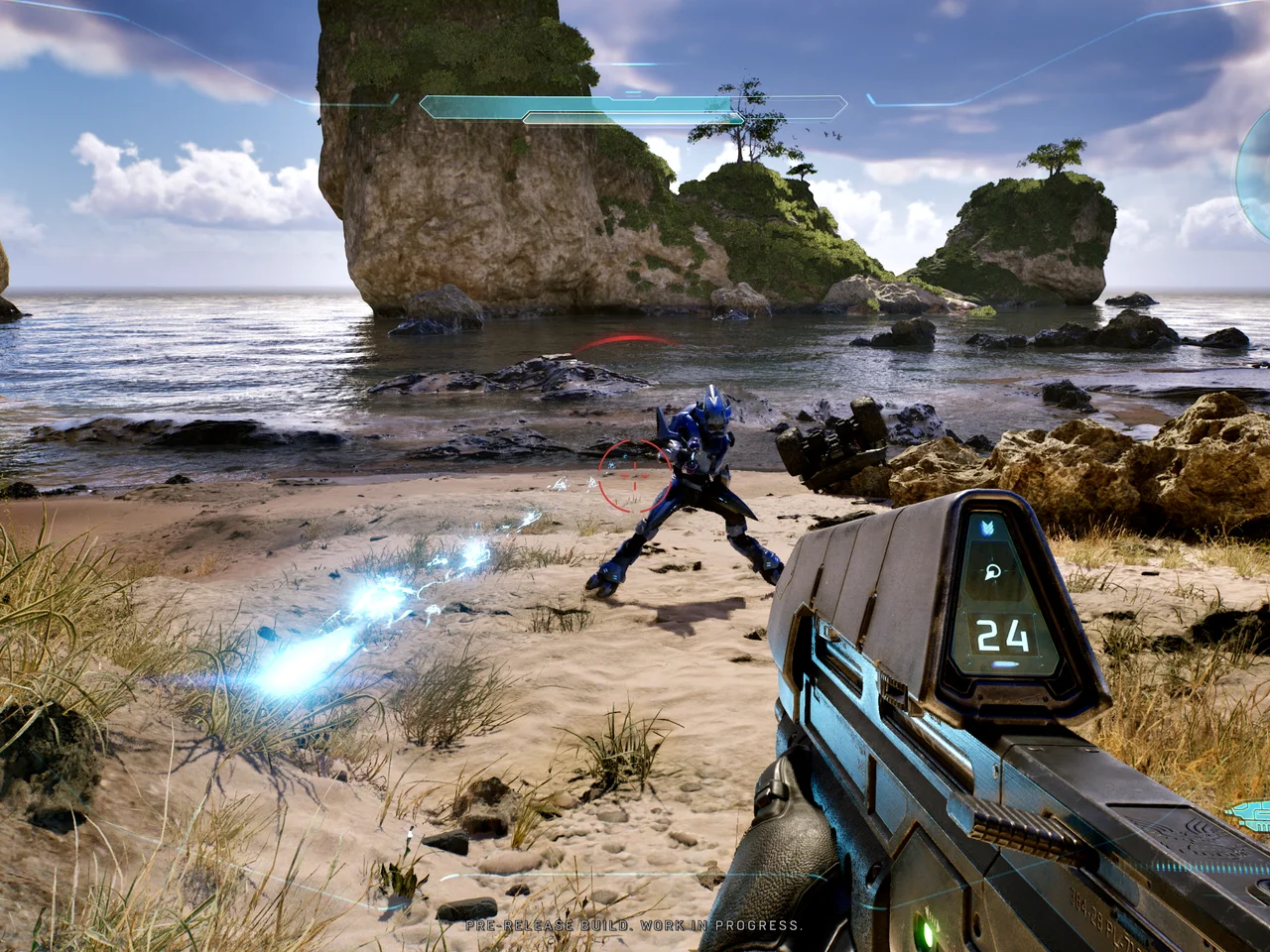
Halo Once Had a Very Different Multiplayer Concept, According to Reports
Halo already has many ingredients suited to a large-scale survival experience: armored super-soldiers, alien factions, vehicles, distinctive weapons and unpredictable environmental threats.
According to new reports published on October 18, Halo Studios attempted to combine those elements in a multiplayer project known internally as Ekur.
The information comes from HiddenXperia, who cites anonymous former or affected Halo Studios employees. Publications including GamesRadar+ and TweakTown subsequently covered the claims.
Neither Microsoft nor Halo Studios has officially confirmed the complete account.
From Project Tatanka to Project Ekur
The reported development history begins with Project Tatanka, a battle royale concept associated with the Halo Infinite era.
One version allegedly imagined a large interconnected battlefield incorporating recognizable classic Halo multiplayer maps.
The idea later evolved into Project Ekur.
Rather than pursuing a conventional last-team-standing formula, Ekur reportedly combined shrinking battlefields with extraction-style survival objectives.
That distinction matters. Traditional battle royale matches primarily revolve around eliminating competing players. Extraction shooters add objectives, resource management and decisions about whether to engage or withdraw.
Project Ekur supposedly attempted to bring both approaches together.
Squads Would Have Dropped Into Zeta Halo
The reported setting was Zeta Halo, the ringworld previously explored in Halo Infinite.
Multiple squads would enter the map, encountering both rival players and AI-controlled enemies.
The battlefield would gradually shrink, while certain areas became increasingly dangerous through Flood activity.
That combination could have produced encounters involving hostile squads, environmental hazards and alien enemies simultaneously.
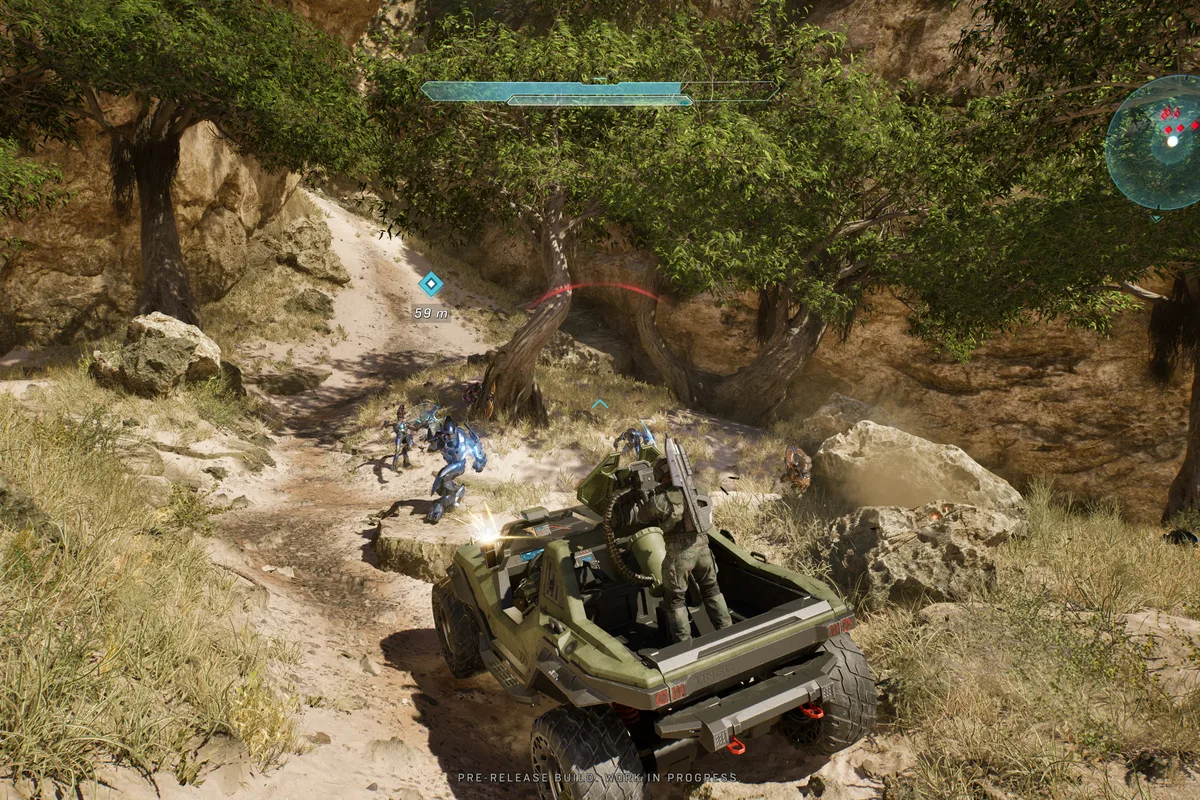
The accompanying image shows Halo: Campaign Evolved, not authenticated footage of Project Ekur.
Playable Spartans and Banished Brutes
One of the most surprising allegations concerns playable factions.
Players would reportedly have been able to control either UNSC Spartans or Brutes belonging to the Banished.
Brutes, also known as Jiralhanae, are physically imposing combatants with weapons and fighting styles very different from human soldiers.
Making them playable could have created unusual possibilities for competitive encounters.
However, no verified material explains how faction balance, abilities or equipment would have worked.
The claim should therefore be understood as a reported design concept rather than a demonstrated gameplay feature.
The Flood Was Supposed to Transform the Battlefield
The Flood is particularly well suited to dynamic encounters because of its ability to spread infection and transform living organisms.
HiddenXperia's account suggests that AI-controlled Flood enemies would have contaminated parts of the map.
A location that initially seemed safe could consequently become increasingly dangerous.
This system might have forced squads to move for reasons other than the conventional shrinking zone.
The report also suggests that the outbreak could have provided a narrative connection to a future mainline Halo installment.
No official connection to a project called Halo 7 has been announced.
Enemy Squads Could Become Temporary Allies
The reported design also included major boss encounters.
Players from different squads would allegedly have been able to cooperate temporarily against shared threats.
That could have created a different kind of player interaction, where a rival squad becomes an ally for the duration of a dangerous encounter.
The exact implementation remains unknown.
There is no verified information establishing whether the game planned formal alliances, shared objectives or entirely spontaneous cooperation.
Why Was the Project Reportedly Abandoned?
According to the latest account, Halo Studios eventually shifted away from the hybrid formula toward a more traditional multiplayer experience built in Unreal Engine.
Even that newer concept was reportedly abandoned after developers were moved to support Halo: Campaign Evolved.
Earlier reports had also described changing creative direction and production difficulties.
However, Microsoft has never published a comprehensive official development history of Tatanka or Ekur.
The precise reasons and timing of the alleged cancellations therefore remain unconfirmed.
The Cancellation Story Is Not Entirely New
Project Ekur had appeared in industry reporting before October.
During April 2026, publications discussed the possibility of transforming a Halo battle royale into an extraction shooter.
In July, Rebs Gaming reported that Ekur had been canceled, with Insider Gaming subsequently covering the claims.
The October reporting primarily adds details about its supposed hybrid design, playable factions, Flood encounters and cooperative boss events.
It should not be interpreted as proof that a previously active game was canceled this weekend.
Campaign Evolved Is a Separate, Released Game
Halo: Campaign Evolved launched on July 28, 2026, for Xbox Series X|S, PC and PlayStation 5.
It rebuilds the original Halo campaign using Unreal Engine 5, with additional missions and expanded cooperative features.
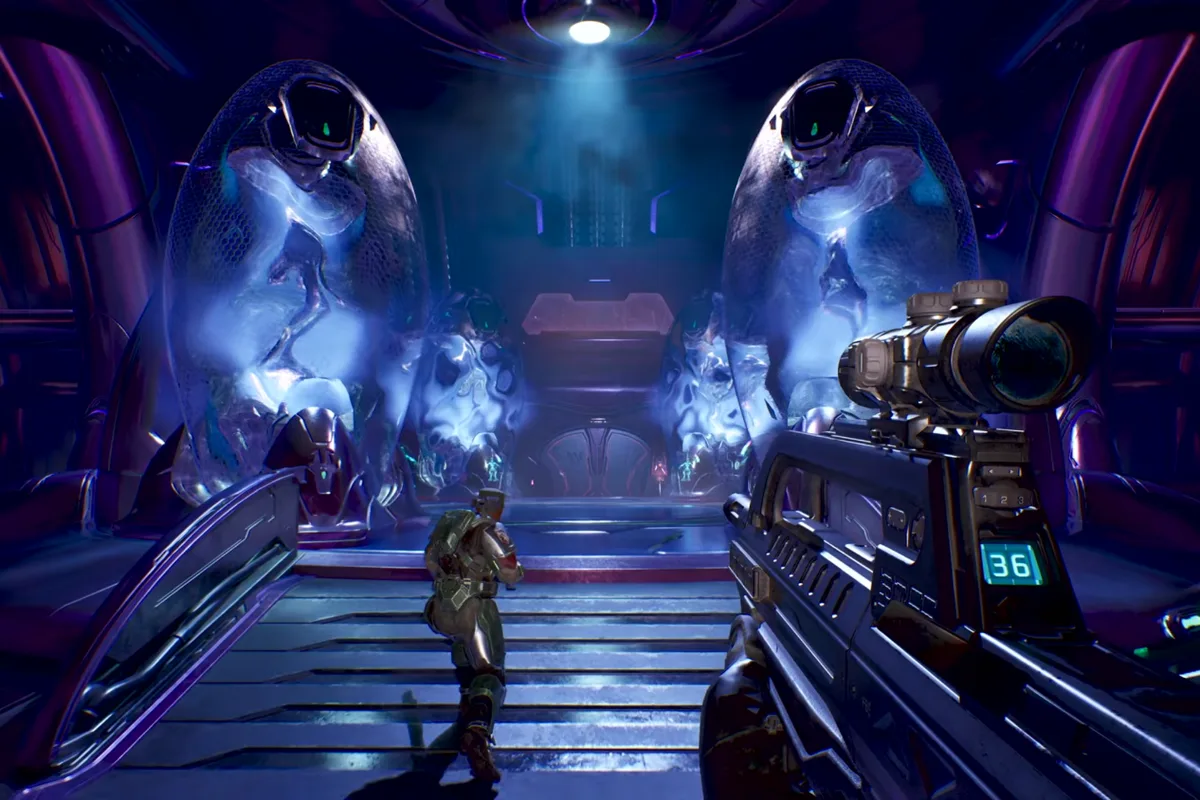
Unlike Project Ekur, it is an officially announced and commercially released game.
Shared characters and locations should not be mistaken for evidence that Campaign Evolved contains Ekur's reported multiplayer features.
Microsoft's Confirmed Restructuring Changes Halo's Future
On September 22, Microsoft officially announced a restructuring affecting Halo Studios and other Xbox organizations.
The company confirmed 268 eliminated positions across the stated group of studios and central functions.
It also announced that a new Activision-led team would develop the next Halo title.
A smaller Halo Studios team would continue supporting existing games and the community.
These decisions provide verified context for the reported internal disruptions.
They do not independently establish every claim concerning unannounced projects.
An Ambitious Experiment That May Never Be Seen
Project Ekur's reported concept combined several natural components of the Halo universe: Spartan mobility, Brute aggression, Flood infection and large-scale squad encounters.
On paper, the result could have offered a distinctive form of player-versus-player-versus-environment multiplayer.
However, no authenticated public gameplay demonstration establishes that all these systems ever worked together in a playable version.
The available reports describe a troubled development history rather than a finished design ready for evaluation.
As of October 19, Project Ekur remains an unannounced project described by anonymous sources and widely reported as canceled.
Halo's official future now rests with the development organization announced by Microsoft in September. The rumored Spartans, Brutes and Flood of Project Ekur, meanwhile, remain part of a possible multiplayer direction that never reached players.