
News News Official
Hellraiser: Revival Wins Clive Barker's Enthusiastic Approval After His Initial Censorship Fears
Clive Barker's Hellraiser: Revival has received one of the most meaningful endorsements possible: approval from the creator of the original horror universe. Speaking to Dread Central in an interview published October 14, 2026, and covered by PC Gamer on October 18, Barker explained that he had initially worried the game might be excessively censored. Instead, he was impressed by how faithfully Saber Interactive preserved Hellraiser's transgressive identity and now says he is proud of the result.
 By Maëlle Clive Barker's Hellraiser: Revival
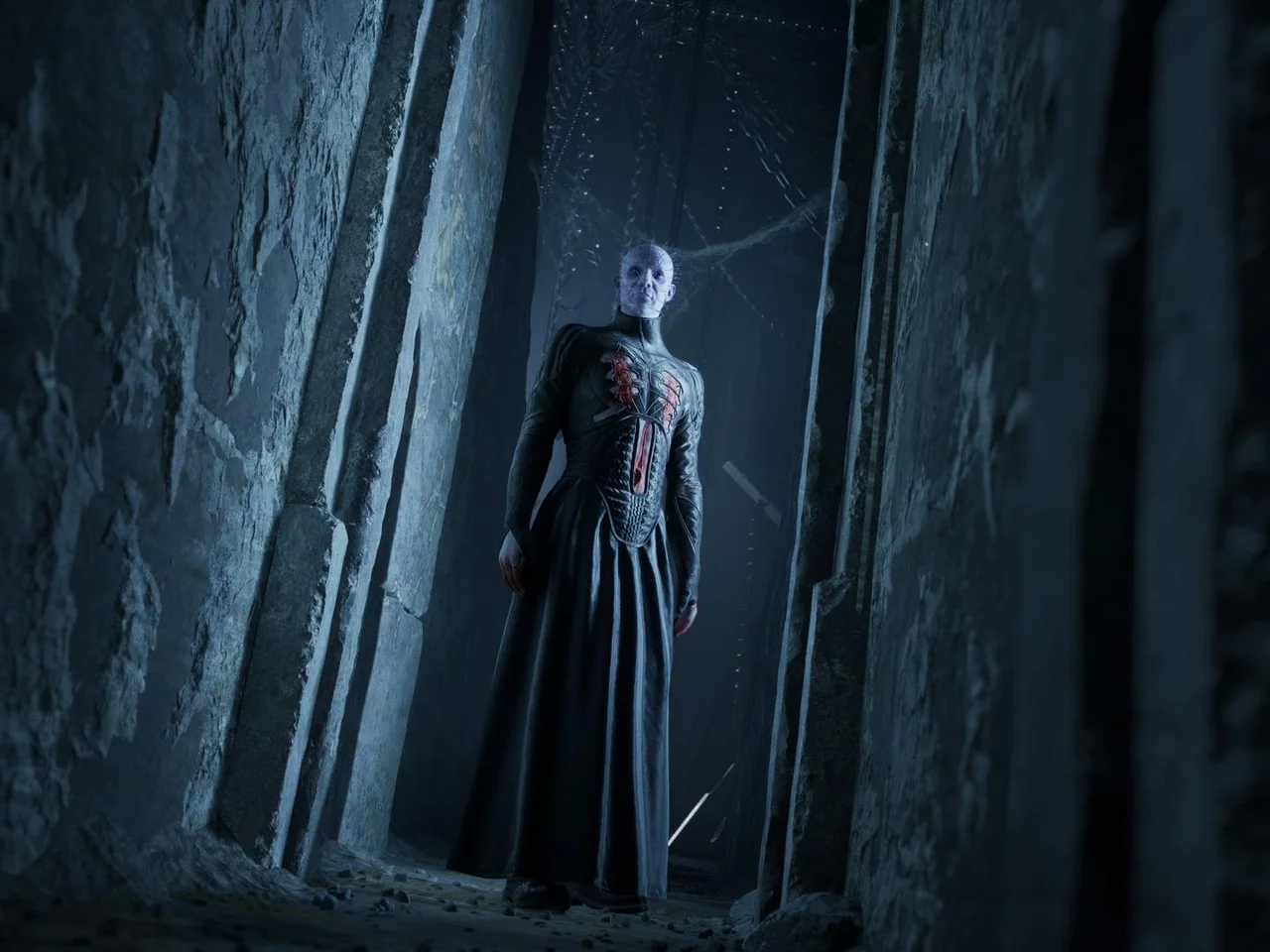
Barker Was Surprised by the Adaptation's Boldness
Adapting Hellraiser presents a challenge that goes beyond reproducing recognizable characters and visual elements.
Pinhead, the chains and the puzzle box are central to the franchise, but the deeper identity of Clive Barker's work comes from its unusual relationship with pain, desire and transgression.
Those themes are not always easy to accommodate within mainstream entertainment.
In an interview conducted by Brad Miska for Dread Central, Barker revealed that he had feared the videogame might be excessively censored.
He was concerned that the adaptation would remove or soften the more disturbing dimensions of the property.
The finished game ultimately surprised him.
Barker praised both the quality of the work and the developers' willingness to preserve material that some commercial adaptations might avoid.
His comments were originally published on October 14 and received wider attention following PC Gamer's October 18 coverage.
Hellraiser's Horror Is About More Than Violence
Hellraiser occupies a distinctive place within horror fiction.
Its supernatural figures, the Cenobites, cannot easily be categorized as conventional monsters motivated by cruelty alone.
Their understanding of sensation blurs the boundaries between pleasure and suffering.
That ambiguity gives the franchise much of its unsettling power.
A faithful interactive adaptation must therefore do more than fill corridors with threatening creatures.
It needs to establish a world whose rules and values feel deeply unfamiliar.
Barker's approval suggests that he recognizes those essential characteristics in Revival.
However, his artistic enthusiasm should not be confused with an independent assessment of every gameplay system or with proof of the game's commercial performance.
The Game Has Been Available Since October 8
Developed and published by Saber Interactive, Clive Barker's Hellraiser: Revival launched on October 8, 2026.
According to the publisher's official FAQ, it is available for PC, PlayStation 5, Xbox Series X|S and Nintendo Switch 2.
The game is a single-player first-person action-horror experience.
Players control Aidan, who attempts to rescue his girlfriend Sunny from the supernatural realm of the Cenobites.
His journey leads through the Labyrinth and other environments associated with the franchise's mythology.
Rather than directly reproducing the original 1987 film, Revival tells a new story within the established Hellraiser universe.
The Puzzle Box Becomes a Gameplay Mechanic
One of Revival's defining features is the Genesis Configuration, a supernatural puzzle box connected to the franchise's central imagery.
In Hellraiser fiction, such objects often provide access to experiences whose consequences their users do not fully understand.
Revival transforms that idea into an interactive system.
Aidan can use the Configuration's supernatural abilities alongside conventional melee and ranged weapons.
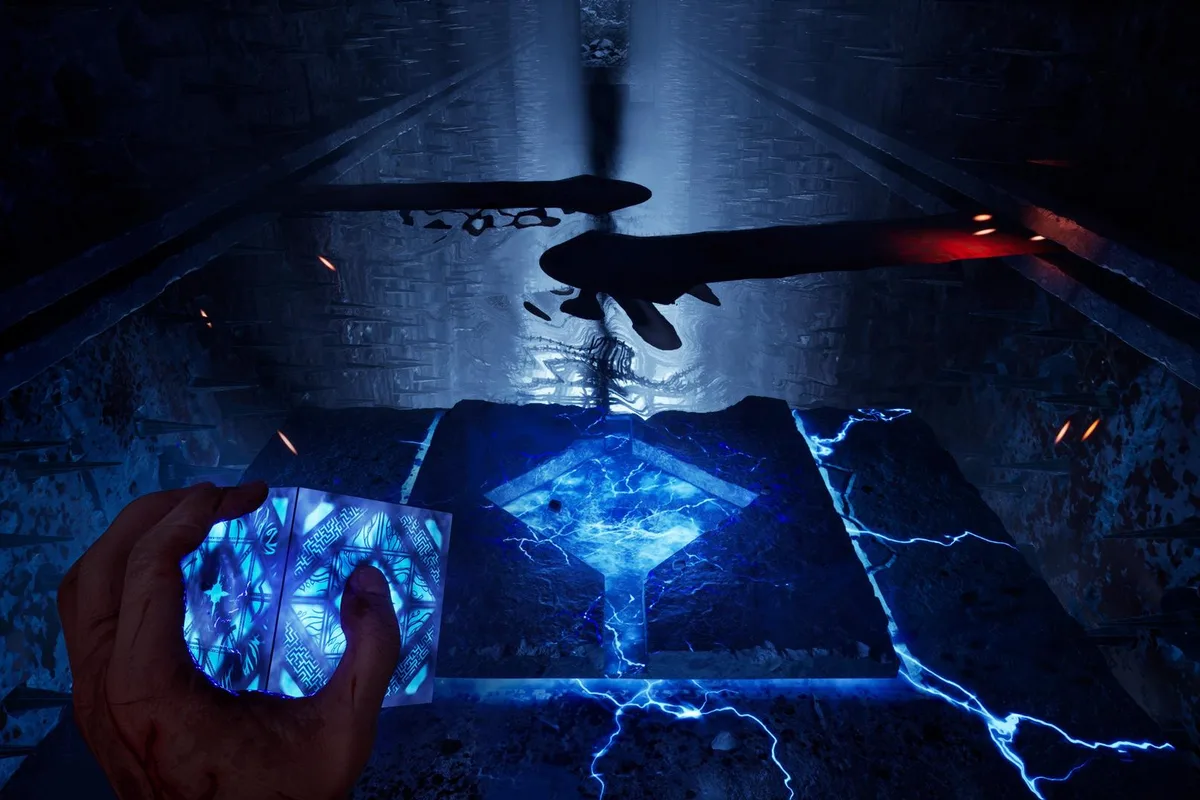
This gives the game a mixture of survival horror, exploration and direct combat.
It also creates a design challenge: maintaining fear when players possess increasingly powerful tools for confronting their enemies.
Saber Interactive has attempted to balance those elements by making the box both an essential source of power and a key part of the narrative.
Doug Bradley's Return Is Personally Important to Barker
Another major subject of Barker's interview is Doug Bradley.
The British actor, closely associated with Pinhead across the film franchise, returns to voice the character in Revival.
For Barker, that return has a particularly personal significance.
The writer and filmmaker recalled knowing Bradley since their teenage years and working alongside him in theater long before Hellraiser became a cinematic property.
Their shared creative history influenced how Barker approached the original film.
He also highlighted Bradley's performance style.
Pinhead's authority comes partly from restraint, with the character remaining calm and controlled even in the presence of extraordinary violence.
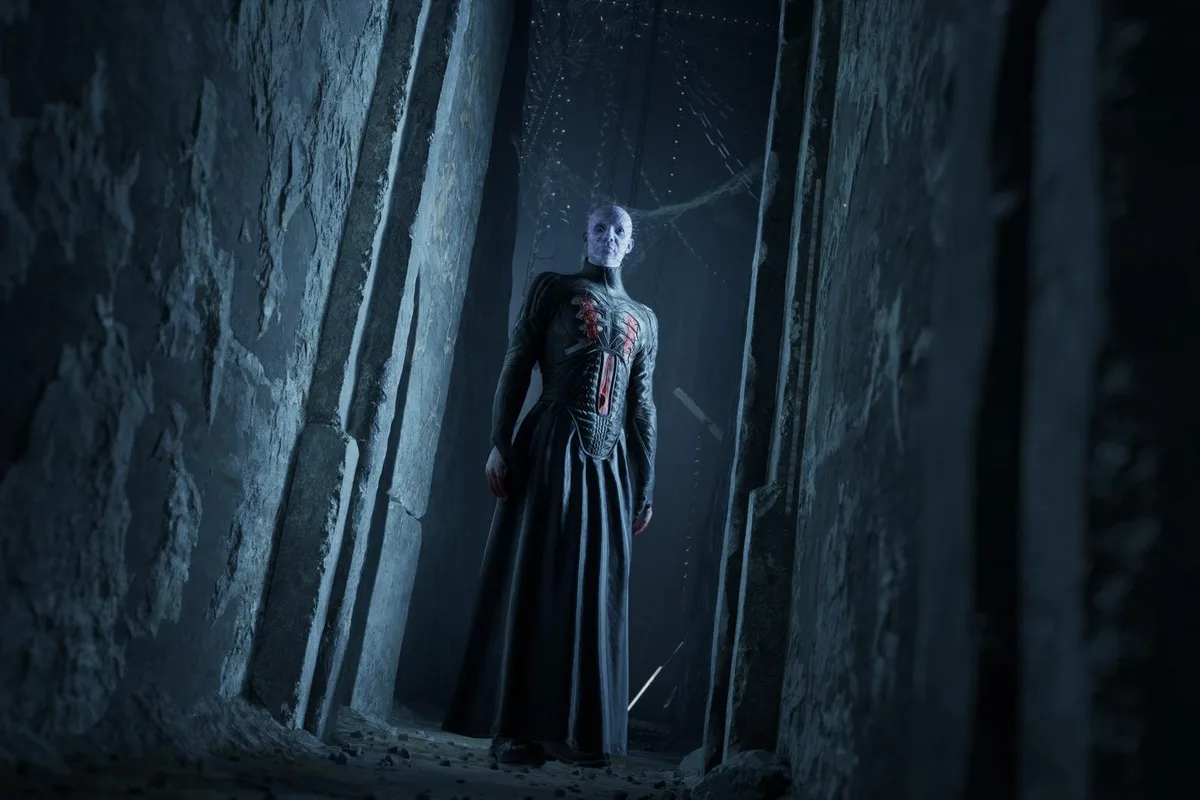
Barker is delighted that Bradley has returned to the role.
For long-time fans, his participation strengthens the connection between the game and a defining period of Hellraiser's film history.
Barker Was Involved in the Creative Process
The creator's enthusiasm did not emerge from an unexpected first encounter with the finished game.
Saber Interactive had previously discussed Barker's involvement during development.
Game director Emil Esov explained that the writer participated in early story development before moving into an advisory role.
Barker periodically reviewed narrative and gameplay material, helping the team remain consistent with the franchise's creative identity.
That arrangement gave the developers room to translate a literary and cinematic property into an interactive experience.
Game design requires different decisions from filmmaking, including player objectives, progression, combat balance and sustained interaction.
Barker's involvement does not mean he personally designed each mechanic.
It does establish that the team maintained an active creative relationship with the person who originated the property.
Revival Could Influence Future Hellraiser Stories
A second Dread Central interview, published October 15, addressed the franchise's wider future.
Barker described Revival as an example of how an established fictional world can be explored through a fresh creative approach.
He also indicated that he has numerous ideas for future Hellraiser stories, including possible film projects.
His comments suggest renewed enthusiasm for expanding the mythology across different forms of entertainment.
However, they are statements of creative ambition rather than formal production announcements.
No sequel to Hellraiser: Revival has been confirmed.
There is also no announced film directly adapting the game's story.
Could Barker Work With the Team Again?
Barker expressed an interest in further collaboration with people involved in Revival.
That is an encouraging indication for fans, but it does not establish a signed agreement or a new project entering development.
Saber Interactive's current FAQ states that there are no plans for future DLC or major content updates, although technical patches may still be released.
Those are the publisher's present plans, not an unchangeable guarantee about every future business decision.
For now, Barker's comments should not be presented as an announcement of additional content.
A Significant Endorsement for an Uncompromising Adaptation
Games based on horror films usually face two major demands.
They must function as engaging interactive experiences while satisfying audiences familiar with the original work.
Hellraiser: Revival faces an additional challenge because its identity depends on disturbing imagery and mature subject matter that will not appeal to everyone.
Barker's endorsement cannot settle every debate about combat, pacing or presentation.
Nevertheless, it carries particular importance for a licensed adaptation.
The original creator recognizes the finished product as a continuation of the artistic identity he established.
As of October 19, 2026, Hellraiser: Revival is available and Barker has publicly expressed his satisfaction.
Whether the collaboration continues remains unknown.
For the moment, Saber Interactive has achieved something many licensed adaptations seek: the enthusiastic support of the person who first imagined their world.